
Project planning
Siding Contractors
Explore siding contractor services for exterior installation projects, including planning, material selection, wall preparation, trim, and finishing work.
Serving Pittsburgh, Pennsylvania & surrounding areas
Mon–Fri 8am–6pm Sat 9am–2pm
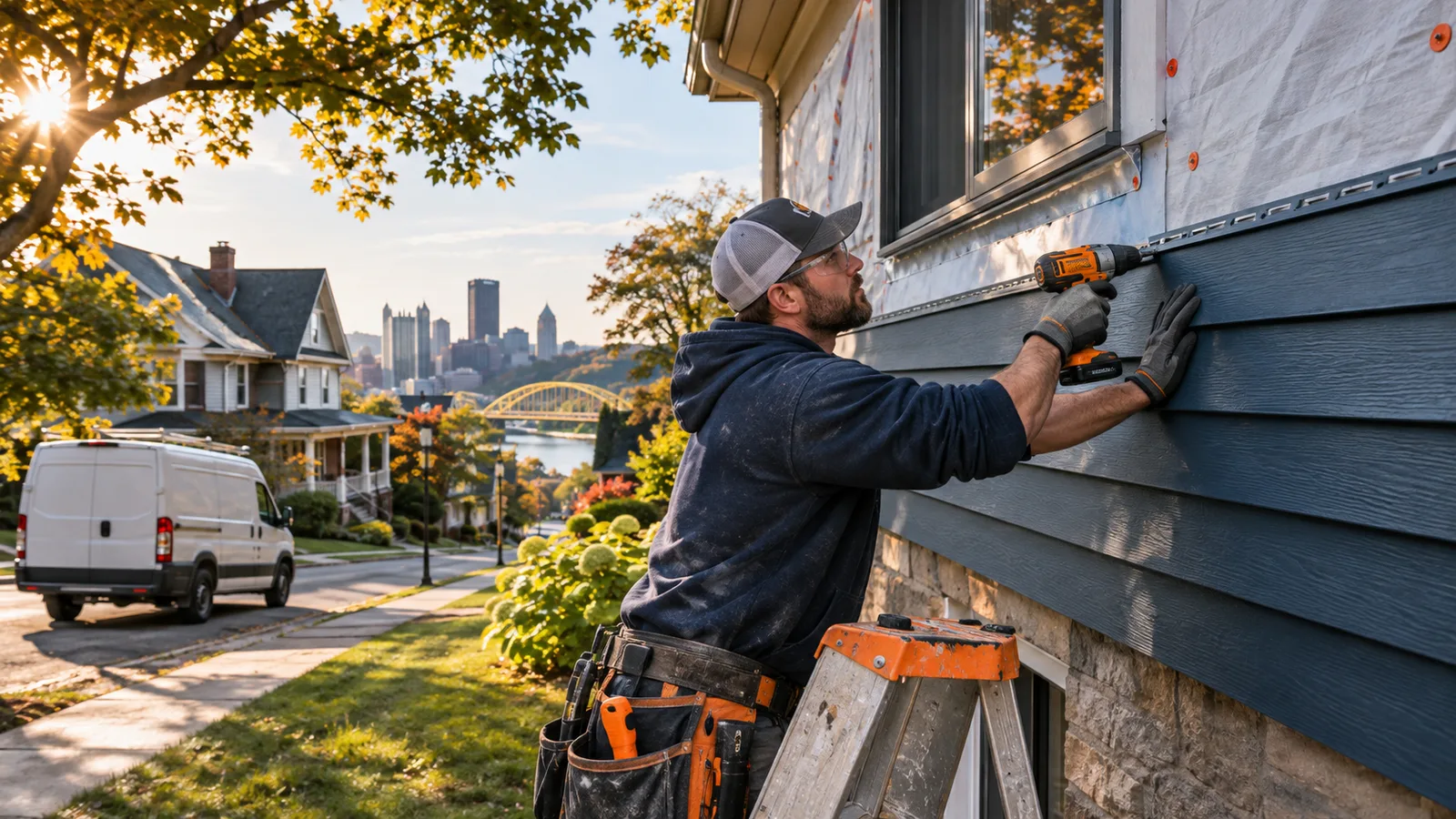
Pittsburgh residential siding installation
Protect and refresh your Pittsburgh home with professional installation, careful preparation, properly integrated weather protection, clean trim details, and a finished exterior suited to local weather.
Preparation and installation
Choosing a siding installer in Pittsburgh means looking beyond the visible panels. A sound installation starts with an inspection of the existing exterior, removal planning, wall preparation, and attention to sheathing damage that may appear after old material comes off. Housewrap, flashing, starter strips, corner posts, utility penetrations, and clearances around roofs and masonry all affect how the finished exterior handles water.
Siding Installers Pittsburgh installs siding for homes across the city. The work is planned around the building rather than treated as a simple surface covering. Pittsburgh's rain, freeze and thaw cycles, humid summers, and varied housing stock make water management and proper fastening especially important. The goal is a straight, secure finish that allows the chosen material to move as intended while directing water away from the wall assembly.
Before work begins, homeowners should understand the material, removal and disposal plan, expected preparation, trim approach, and how hidden damage will be handled if found. A written scope makes those decisions clear and creates a practical basis for the project.
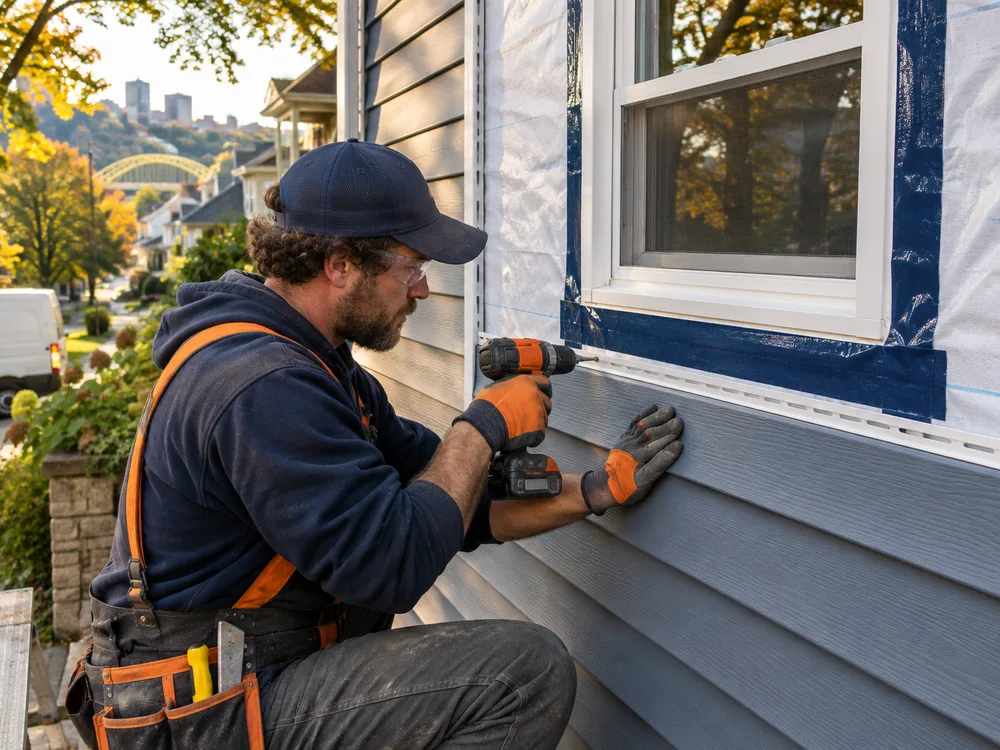
Installation, repair, and replacement
Project planning
Explore siding contractor services for exterior installation projects, including planning, material selection, wall preparation, trim, and finishing work.
Complete installation
Review siding options and installation considerations for Pittsburgh houses, including weather barriers, flashing, fastening, clearances, and exterior details.
Localized damage
Address loose panels, cracks, impact damage, missing sections, failed trim, and other localized problems that may not require a complete replacement.
Material options
Learn about vinyl siding installation, profile and color choices, expansion spacing, fastening methods, trim components, and routine maintenance needs.
Full exterior renewal
Replace worn or extensively damaged siding with a planned removal and installation process that also provides access to inspect the wall beneath.
Installation standards
The scope should identify the siding material, walls included, removal needs, trim details, disposal, and expected preparation. It should also explain how concealed sheathing or framing damage will be documented and addressed.
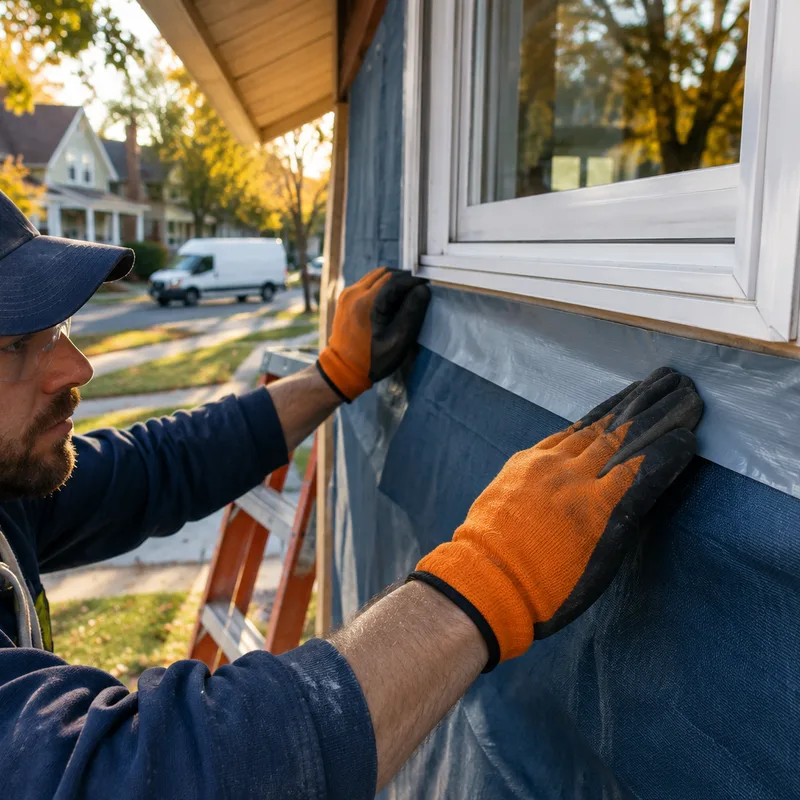
Once old siding is removed, exposed walls can be checked for soft sheathing, damaged trim, and gaps around penetrations. Necessary preparation should happen before housewrap and new siding conceal those conditions.
Windows, doors, utility lines, roof intersections, and masonry transitions need deliberate flashing and trim details. These areas deserve close attention because siding sheds water but is not the wall's only moisture defense.
Vinyl panels require room for expansion and contraction, while other materials have their own fastening requirements. Nails driven too tightly, poor joint placement, or uneven starter courses can affect appearance and performance.
Removal creates old panels, fasteners, packaging, and cutoffs. A planned work area keeps materials organized, protects reasonable access around the property, and includes collection of installation debris when the job is complete.
Local project planning
Siding Installers Pittsburgh provides siding installation in Pittsburgh, PA.
The company focuses on the parts of installation that homeowners can evaluate: a clear scope, suitable materials, careful preparation, and finished details around openings and transitions. Each house brings different conditions, including wall height, existing layers, additions, porch roofs, masonry, and utility penetrations. Those conditions should be reviewed before the installation plan is finalized.
Trust starts with useful answers. Homeowners should know what will be removed, what will remain, how the weather barrier will be handled, and which trim components are included. They should also understand the process for changes if deterioration appears after removal. Siding Installers Pittsburgh helps property owners work through these decisions before exterior work proceeds.
Project budgeting
Siding installation in Pittsburgh typically costs about $8,000 to $25,000 for a whole house. Smaller, straightforward vinyl projects may fall near the lower end, while larger homes, premium materials, extensive trim, or difficult elevations can cost $30,000 or more.
Final pricing changes with wall area, material, removal layers, access, house height, insulation, trim complexity, and repairs to sheathing or framing. Window, door, roof, and masonry transitions also affect labor. The exact cost is confirmed after an on-site consultation and exterior assessment.
Inspection to walkthrough
The project starts with a review of wall dimensions, existing siding, openings, roof intersections, utilities, access, and visible damage. Material preferences and the intended scope are discussed at this stage.
The plan identifies the selected material, removal approach, wall preparation, weather barrier, trim components, disposal, and known exclusions. It should also state how concealed damage and scope changes will be handled.
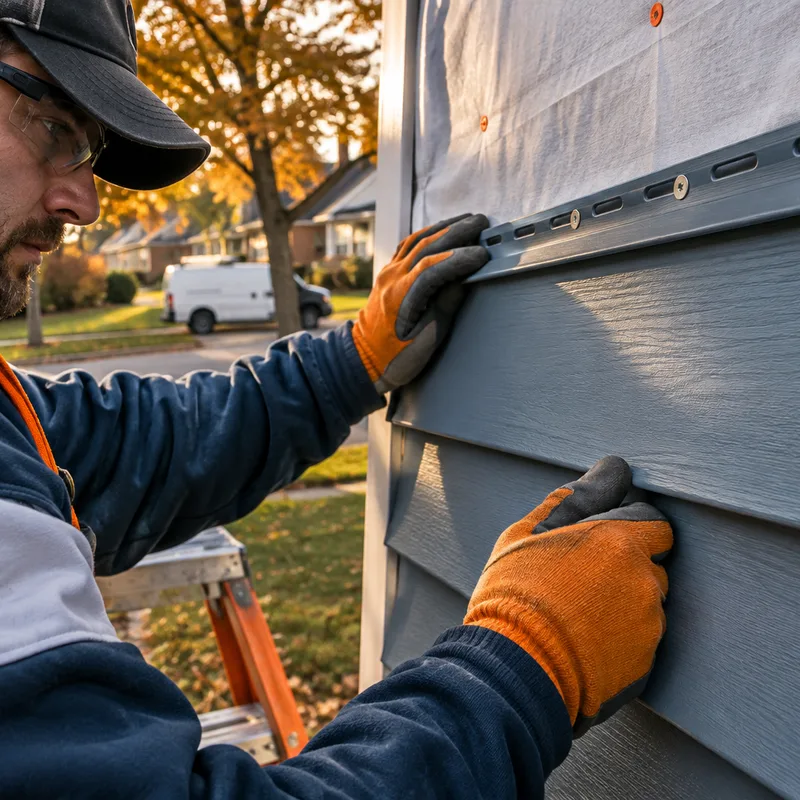
Existing material is removed where required. The exposed surface is inspected, necessary preparation is completed, and housewrap, flashing, starter components, and other water-management details are installed in the proper sequence.
Panels or boards are laid out and fastened according to material requirements. Corners, windows, doors, soffit transitions, penetrations, and other edges receive the specified trim and clearances.
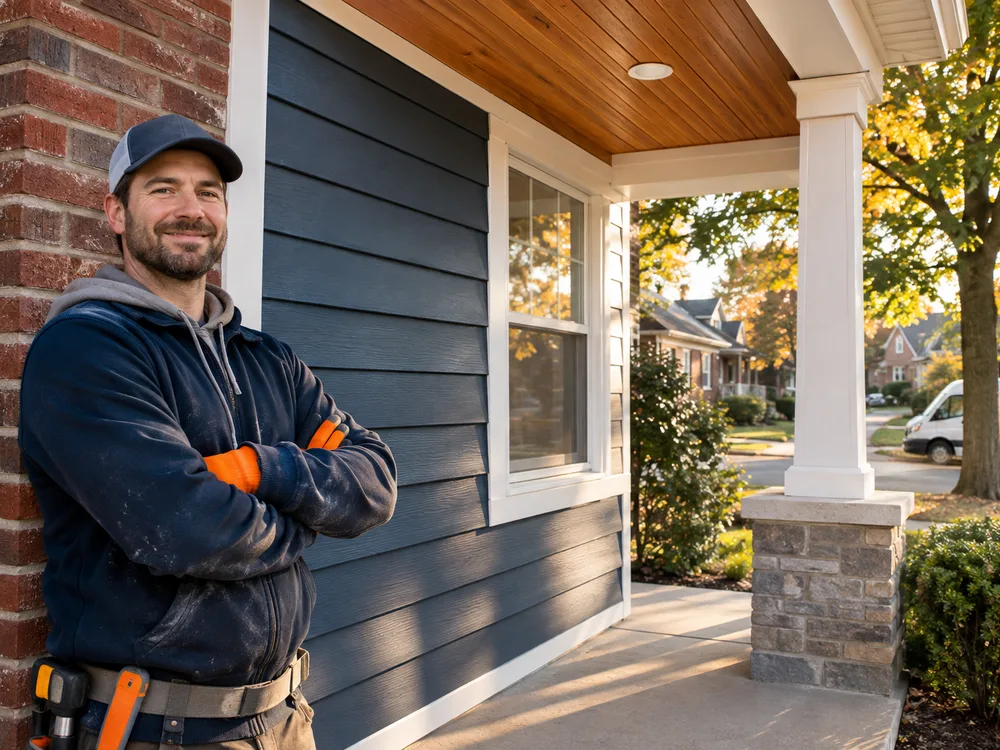
Finished walls and details are checked for alignment, secure components, clear drainage paths, and completed trim. Remaining debris and installation materials are collected from the work area.
A better siding project begins with an exterior assessment, a written scope, and clear decisions about materials, preparation, and trim before removal starts.
Book Your Free InspectionNeighborhood-specific planning
Siding Installers Pittsburgh works with homeowners in established residential areas throughout Pittsburgh, including neighborhoods with steep grades, older exteriors, masonry transitions, and closely spaced properties.
Detached houses, additions, and varied exterior materials call for careful measurements and well-planned transitions where siding meets brick, stone, windows, and porch roofs.
Hillside streets and closely spaced homes can affect staging and ladder access, while older exterior layers may require additional inspection during removal.
Steep grades and tall rear elevations can complicate exterior access, making wall height, equipment placement, and material handling important parts of installation planning.
Older detached homes may have complex window trim, porches, and additions, so replacement siding requires close attention to original openings and material transitions.
Frame houses with porches and mixed exterior updates benefit from careful preparation around rooflines, utility penetrations, windows, and previously altered sections.
Established homes with varied cladding and sloped lots require project-specific planning for removal, wall preparation, safe access, and finished trim details.
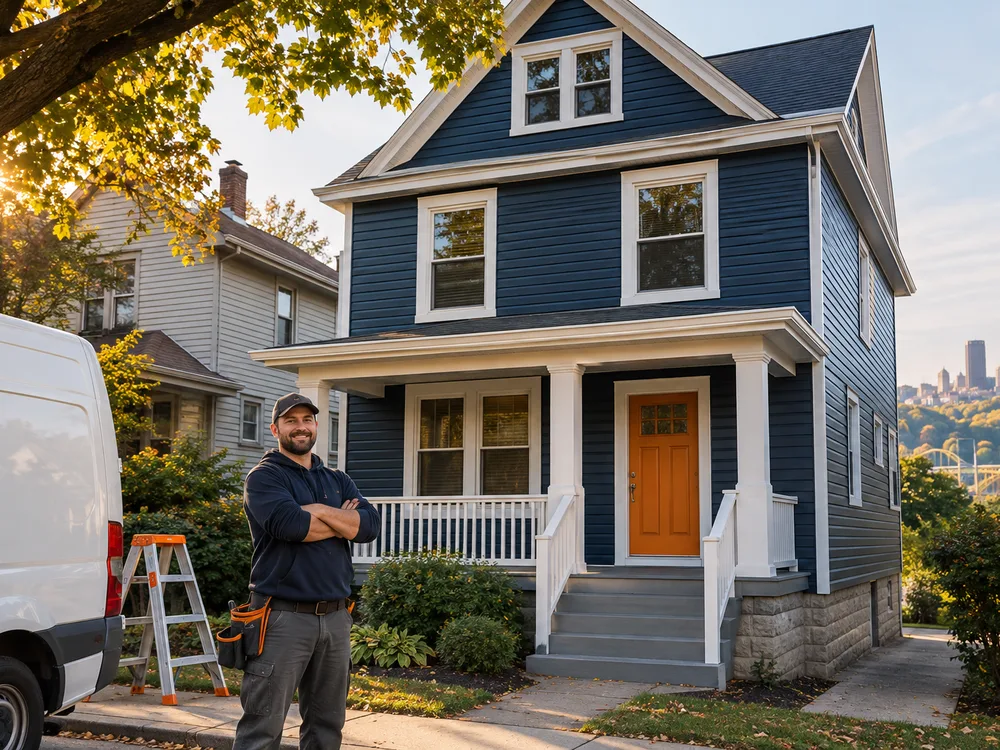
Workmanship in view
Homeowner questions
Start with an exterior assessment and a discussion of the material and walls involved. Measurements, removal needs, access, trim, openings, and visible conditions can then be used to prepare a written project scope.
Scheduling depends on project size, material availability, weather, and the current workload. Contact the company when you begin comparing materials so there is time for assessment, product decisions, ordering, and installation planning.
Installation may be possible in cold weather, but temperature, precipitation, wind, and material requirements must be considered. Vinyl becomes less flexible in low temperatures, and sealants or flashing products may have manufacturer temperature limits.
Material choices can be reviewed during the consultation based on the house, desired appearance, maintenance expectations, and budget. Confirm the exact products available for your project before relying on a specific profile, texture, or color.
The damaged area should be documented and reviewed before it is covered. The scope and price may need to change based on the extent of deterioration and whether sheathing, framing, or related wall components need repair.
Some preparation is usually helpful. Move outdoor furniture and fragile items away from exterior walls, provide reasonable access to work areas, and protect interior wall hangings that could shift during fastening or removal.
Permit needs depend on the exact scope and property conditions. Requirements should be checked with the City of Pittsburgh Department of Permits, Licenses, and Inspections before work begins, especially when structural repairs or related alterations are involved.
Discuss your home's exterior, material preferences, and the condition of the existing siding. The next step is a clear assessment of the work and a practical scope for installation.