
Traditional lap profiles
Double and triple lap profiles suit many residential styles and create familiar horizontal shadow lines. Exposure and panel width affect the scale of the finished exterior.
Serving Pittsburgh, Pennsylvania & surrounding areas
Mon–Fri 8am–6pm Sat 9am–2pm
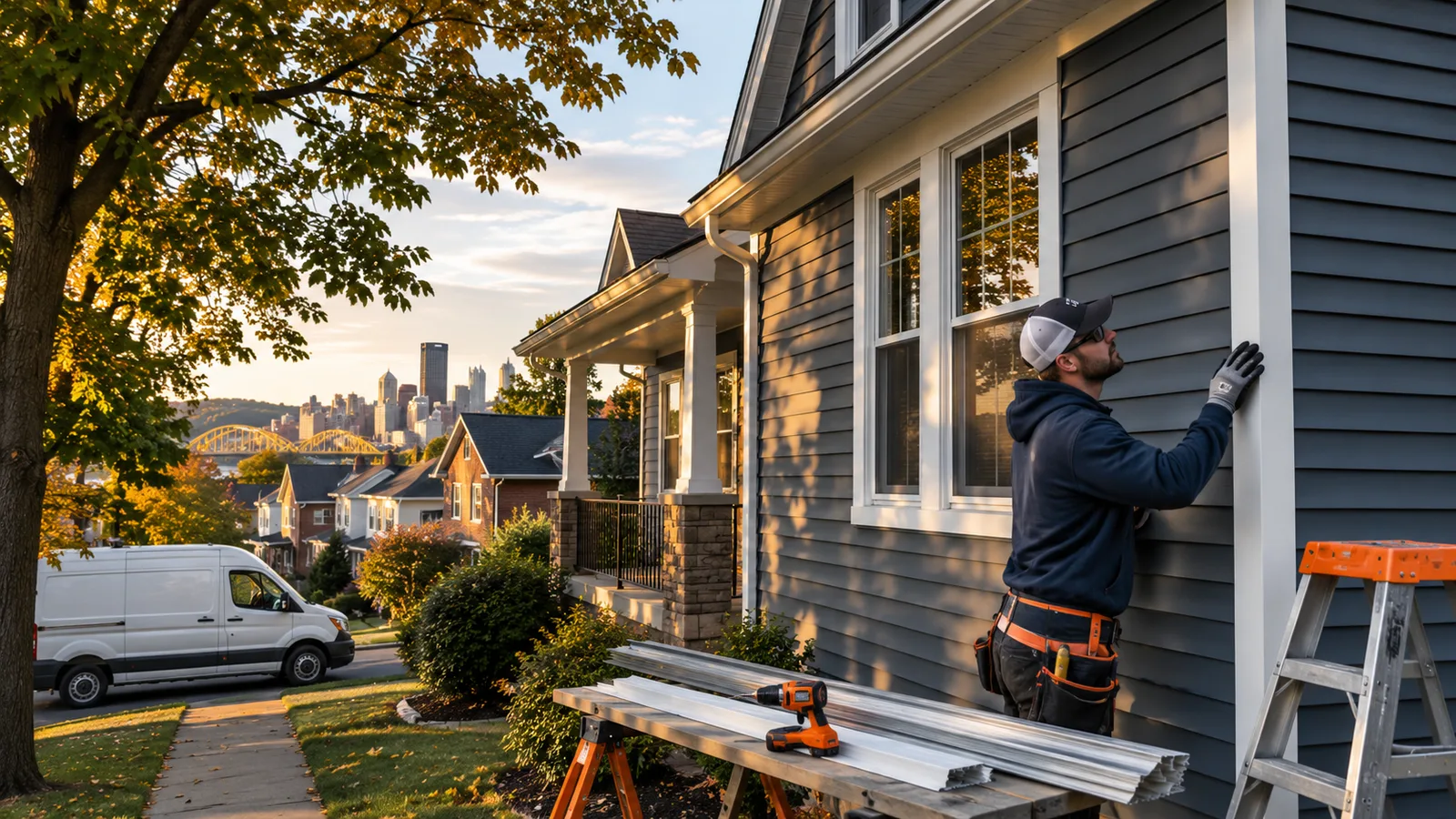
Vinyl siding in Pittsburgh, Pennsylvania
Protect your home with properly installed siding, careful weatherproofing, and a finish selected to suit the house.
Weather-ready exterior planning
Quality vinyl siding in Pittsburgh, PA, starts with more than selecting a color. The wall must be inspected, damaged material addressed, and water-management details planned before the first panel goes up. Pittsburgh's rain, winter freeze-thaw cycles, humid summers, and temperature swings make correct flashing and panel movement especially important.
Siding Installers Pittsburgh handles full installations and replacement projects on homes with different ages, elevations, and exterior details. For every project, Pittsburgh's trusted siding team builds the scope around the condition of the walls, the home's architecture, and the exposure of each elevation. The goal is a straight, secure exterior that sheds water properly and has room to expand and contract.
Vinyl siding is available in several profiles, textures, and colors. During planning, we help compare panel thickness, exposure, trim options, soffit transitions, and insulated or non-insulated products. You receive a project-specific recommendation rather than a one-size-fits-all material list.
Preparation and installation details
A replacement project begins with a close look at the existing cladding, trim, penetrations, and accessible wall areas. Loose panels, stains, soft sheathing, failed caulk, and improper flashing can point to conditions that should be addressed before new siding covers the wall.
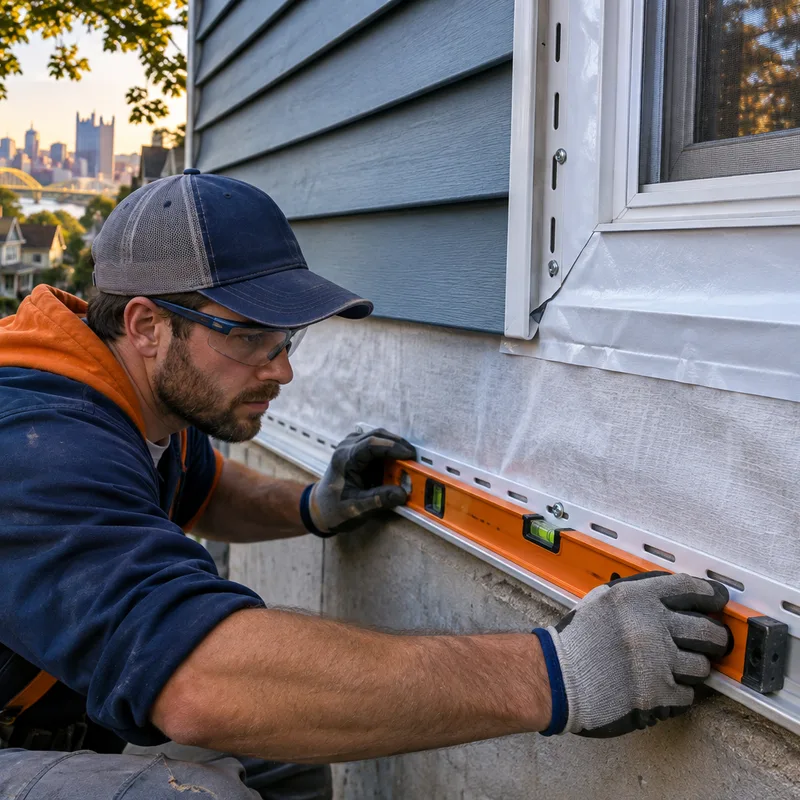
Preparation may include removing old cladding, replacing visibly damaged sheathing, installing an appropriate water-resistive barrier, and correcting flashing at windows, doors, roof-to-wall intersections, and utility penetrations. Starter strips must be level. Inside and outside corner posts, J-channel, and utility trim must be positioned so water can drain and panels can move.
Vinyl panels are hung rather than tightly fastened. Nails are centered in the slots and left with enough clearance for thermal movement. Fastening a panel too tightly can cause buckling as temperatures change. Proper overlaps, clear drainage paths, and neatly planned terminations matter as much as the field panels.
Profiles, trim, and finish
Double and triple lap profiles suit many residential styles and create familiar horizontal shadow lines. Exposure and panel width affect the scale of the finished exterior.
Dutch lap has a recessed shadow line that gives each course more definition. It can complement older homes when the profile and trim proportions are chosen carefully.
Board-and-batten-style vinyl can define gables or selected elevations. Accent placement should follow the home's architecture rather than break the exterior into unrelated areas.
Insulated products include a contoured foam backing that can improve panel rigidity and reduce thermal bridging through wall framing. Suitability depends on wall conditions, trim depth, and budget.
Corner posts, window trim, fascia transitions, and vented soffit affect the finished appearance. Existing attic ventilation paths must remain open when soffit work meets the siding.
Color should be reviewed against masonry, roofing, and permanent exterior elements. Manufacturer-approved accessories help maintain consistent movement and installation requirements.
Property-specific planning
Pittsburgh vinyl siding projects often involve homes built before modern weather barriers and flashing practices became common. In neighborhoods such as Brighton Heights, older detached houses may have layered exterior materials and detailed window trim. Those conditions call for careful investigation before deciding whether removal or an approved overlay approach is appropriate.
Steep streets and closely spaced properties in areas such as South Side Slopes can affect staging, material handling, and safe access to upper elevations. In Brookline, varied house styles and additions may create several wall transitions that need separate flashing and trim details. Mount Washington's exposed hillsides can also place more wind-driven rain on certain elevations, so panel fastening and water management deserve close attention.
Permit requirements depend on the project's scope and jurisdiction. Work within the City of Pittsburgh may involve the Department of Permits, Licenses, and Inspections, particularly when structural repairs or other regulated changes are part of the job. The project scope should identify those conditions before work starts.
Project budgeting
Vinyl siding installation in Pittsburgh typically costs about $7 to $14 per square foot, while complex homes or premium insulated products may cost more. A modest whole-house project often falls near $12,000 to $25,000, but these are general planning ranges rather than a quote.
Final price depends on wall area, stories, access, panel grade, trim, removal, sheathing repairs, flashing, and the number of windows and penetrations. Architectural details and steep terrain can increase labor. Exact cost is confirmed after an on-site inspection and written scope.
Assessment to completion
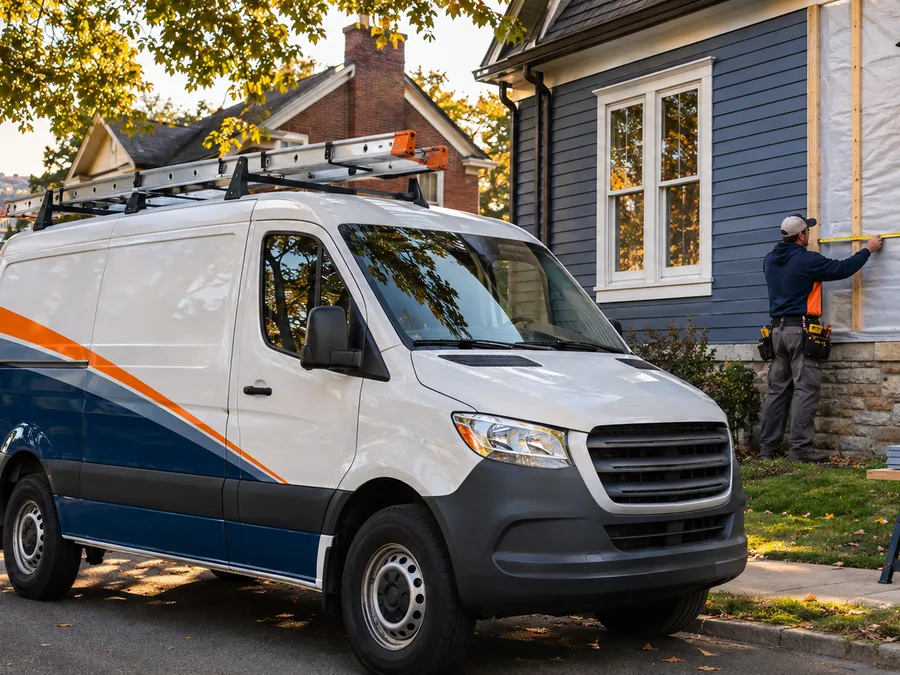
We inspect the siding, trim, visible wall conditions, access points, and water-sensitive details. Measurements account for openings, gables, corners, and material waste.
You compare profiles, colors, accessories, and insulation options. The written scope identifies planned removal, preparation, trim work, and known repair allowances.
Existing materials are handled according to the agreed scope. Accessible damage is documented, necessary repairs are discussed, and the drainage plane and flashing are prepared.
Starter strips, corner posts, channels, trim, and panels are installed in the correct sequence. Fasteners and overlaps allow for normal expansion and contraction.
The completed exterior is reviewed for alignment, fastening, drainage openings, trim fit, and finish details. Work areas are cleaned and remaining project items are addressed.
A site assessment can identify the right panel, preparation work, and trim plan for your home before materials are ordered.
Book Your Free InspectionHomeowner questions
Many straightforward whole-house installations take roughly one to two weeks once work begins. Home size, stories, access, weather, old-material removal, and hidden sheathing repairs can extend the schedule. Steep lots and closely spaced houses may also require additional setup time.
Vinyl siding can be installed in cold weather, but temperature affects handling and spacing. Panels become less flexible in low temperatures, so crews must follow the manufacturer's cold-weather cutting, fastening, and expansion-clearance requirements. Snow, ice, high winds, or unsafe access can delay work.
Removal is often the better choice when the existing cladding is loose, uneven, water-damaged, or hiding uncertain wall conditions. It allows direct inspection of the sheathing and drainage plane. An overlay may be possible on a sound, flat exterior when the product instructions and local requirements allow it.
No, vinyl siding is a water-shedding cladding rather than the home's waterproof layer. Wind-driven rain can pass through panel joints, so a properly integrated water-resistive barrier, flashing, and drainage path must protect the wall behind it.
Insulated vinyl siding can be worthwhile when greater panel rigidity, a flatter appearance, and reduced thermal bridging are priorities. It costs more and requires compatible trim depths. The existing wall assembly should be reviewed before deciding whether the added foam backing fits the project.
Wall area, height, access, panel type, trim complexity, removal, and repair needs drive the estimate. Gables, bay windows, masonry transitions, utility penetrations, and sloped lots add labor. A written estimate should state the selected product, preparation, accessories, disposal, and treatment of unexpected damage.
Clear items away from exterior walls, unlock gates, and discuss parking or material-delivery limits before the start date. Pictures and shelves on exterior walls may need to be secured because fastening can cause vibration. The crew should also know about pets, buried lines, and sensitive plantings.
Tell Siding Installers Pittsburgh about your home's exterior, the problems you have noticed, and the finish you want. We will assess the conditions and prepare a tailored installation estimate.